

HIGH-CRIME URBAN AREAS · SURVIVAL & COMMUTE SAFETY GUIDE
Urban High-Risk Crime Survival Guide: A Complete Plan from Routes to Protection
If your daily route takes you through unsafe neighborhoods, sketchy subway stations, bar districts, or areas with high crime rates, simply “walking faster” isn’t enough. This guide helps you reduce risks to the minimum with a complete plan—from route planning and daily habits to personal protection gear—so you can stay safer in high-risk urban zones.
✔ Commuting through high-risk streets
✔ Returning home late due to night or shift work
✔ Small business owners, rideshare drivers, or food delivery riders
✔ Living or working long-term in high-crime areas
⚠ Urban violence often occurs on streets you think you know well.
The most effective protection combines pre-planned routes, discreet wearable armor, and a compact set of personal safety gear.
It’s recommended to bookmark this page as your “digital safety guide” for moving to or working in high-crime areas—refer to it step by step to keep yourself and your family safe.
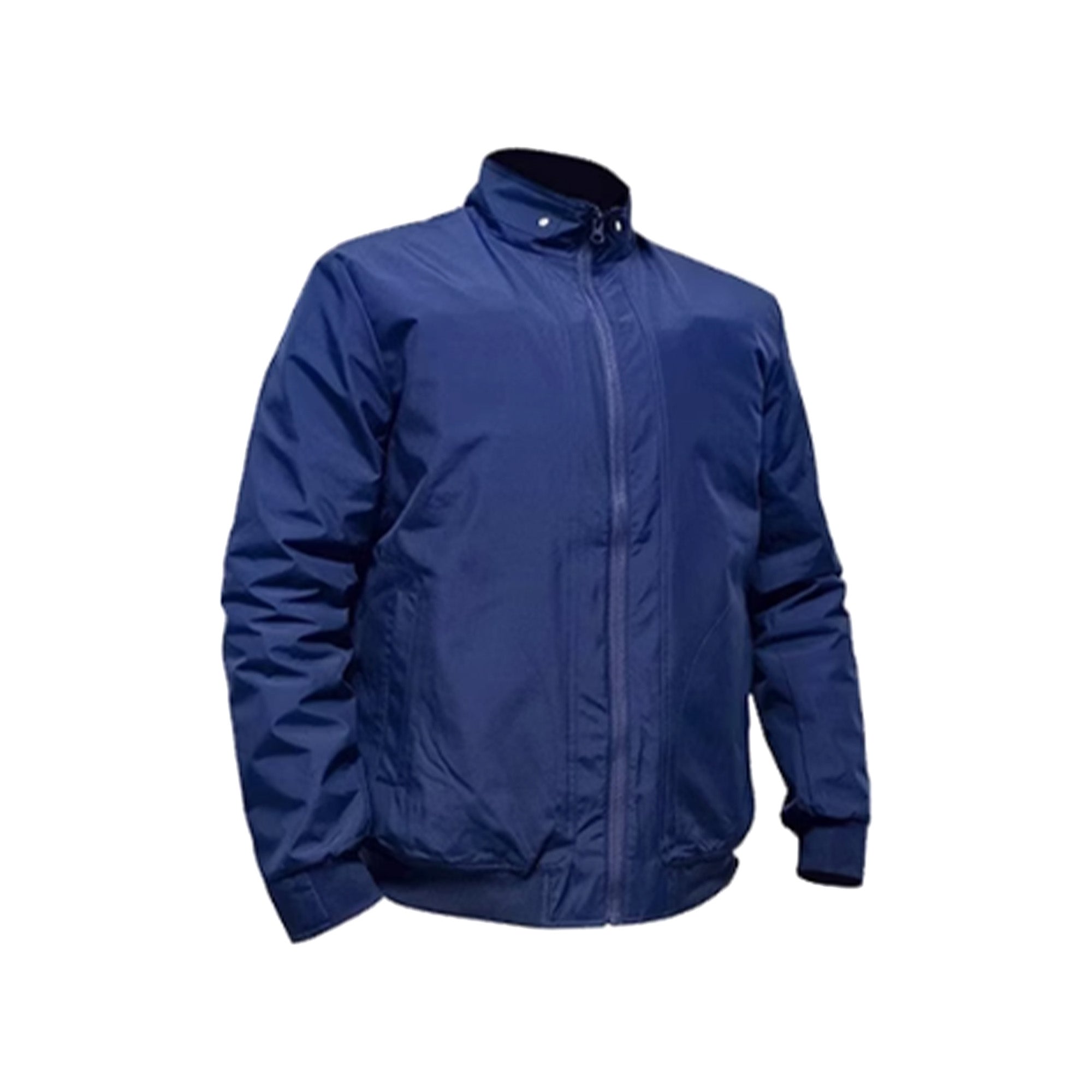
Stab Proof Business Jacket
Urban Commuting Concealed Protection · Recommended Setup
Looks like a regular business jacket on the outside, but houses an NIJ-standard stab-resistant core inside—ideal for professionals, lawyers, and salespeople who frequently pass through high-risk areas.
✔ Front and back torso stab protection
✔ Coreless metal design — passes security checks with ease
Target Users:
Urban commuters, client-facing professionals, late-night workers.
1. Choose your size based on height and weight to ensure it fits over a shirt or hoodie.
2. Wear it during commutes through high-risk urban areas; otherwise, it functions as a regular jacket.
Think through three things first: route, timing, and exposure.
Everything you wear for protection should revolve around these three factors—don’t just put it on when you remember.
01 · Risk Map
Which routes are unavoidable? Map them first.
Mark the high-risk spots you pass daily—subway exits, narrow streets shared with vehicles, bar districts, gang hangouts, underpasses/overpasses, isolated parking lots, etc.—and build your personal risk map.
- Google Maps + On-the-ground checks
- Compare daytime vs. nighttime observations
02 · Timing & Foot Traffic
Try to avoid being alone during the hours when the fewest people are around.
The same street at 11:00 p.m. and 6:00 p.m. can feel like two completely different worlds. Assess the times you commute, return from night shifts, or finish social events, and try to avoid overlaps with last-train rushes or bar-closing crowds.
- Avoid closing or clearing-out hours
- Don’t be the last person left on the street
03 · Exposure & Target Profile
Don’t stand out: adjust how you show valuables, dress, and carry your bag.
In high-crime areas, aim for a “nothing worth stealing” look — keep brand logos low-key, avoid holding your phone in your hand, turn backpack zippers to the front, and skip any outfit that screams “tourist.”
- Low‑profile clothing
- Wear your backpack in front
- Split and stash your cash separately
Recommended Gear Set for High‑Risk Urban Areas
Not everyone needs the full set, but at minimum, choose a “daily uniform” that suits your routine.
Stab Proof Business Jacket
Commuting · Office · Business Meetings
Looks like a regular business suit but features a large-area stab-resistant core, ideal for professionals—white-collar workers, salespeople, lawyers—who frequent high-risk areas while maintaining a business appearance.

Slash Proof Hooded Sweatshirt Jacket
Street · Traffic Jams · Bar District
Disguised as a regular hoodie, this jacket actually offers Level 5 cut- and stab-resistant protection, ideal for users frequently passing through bar streets, gang areas, or using public transport at night.
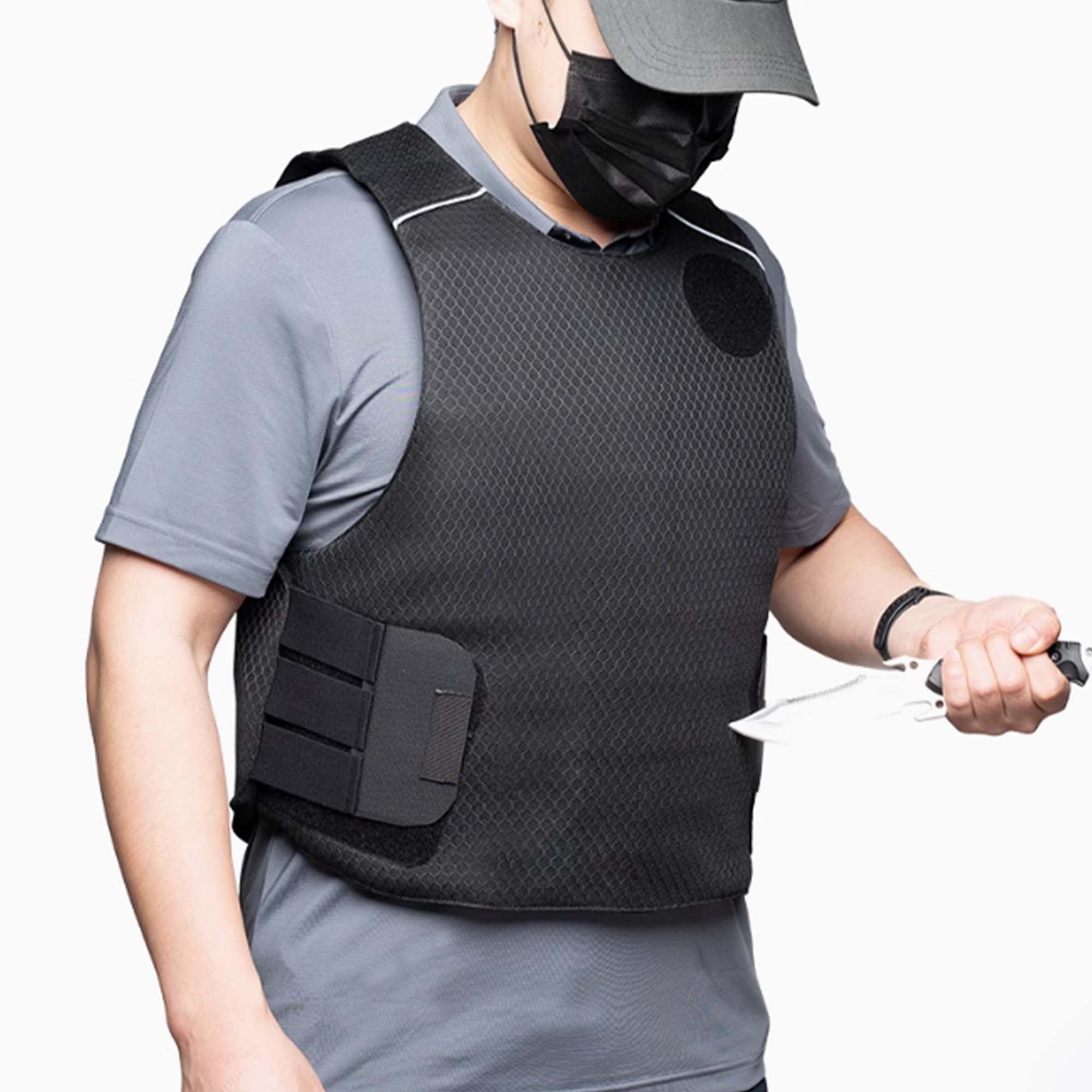
Stab Proof Inner Worn Vest
Small business owners · Ride-hailing drivers · Night-shift workers
Designed to be worn under a T-shirt or shirt, its protective structure is nearly invisible, making it ideal for night-shift convenience store staff, small bar employees, ride-hailing drivers, and other high-contact roles.

Smart Fingerprint Lock
Backpack · Lockers · Nighttime Lighting
Fingerprint locks can secure backpack zippers or temporary lockers, while the EDC37 high-lumen flashlight lights up underground parking lots or dark hallways, turning “I can’t see” into “I see first.”
✔ Start from your commute or work scenarios: first choose a primary daily wearable protection (jacket or vest), then add neck protection and carry-on gear as needed.
Don’t neglect the neck: one of the most vulnerable areas in high-crime zones.
Many street assaults and knife attacks instinctively target the sides of the neck, making neck protection a critical defense.
Why Neck Protection Is Crucial in High-Risk Areas?
The neck houses critical blood vessels (carotid arteries, jugular veins) and nerves, so even a brief sharp attack can cause severe bleeding or shock. In urban high-crime areas, assaults often occur at close range.
- Nighttime bar streets or alley conflicts usually involve close-quarters shoving and quick knife strikes.
- If an attempted robbery of a bag or phone fails, attackers may retaliate by targeting the neck or torso.
- Narrow sidewalks, stairwells, and subway exits limit your ability to retreat.
✔ Principle: Neck protection should resemble an ordinary scarf or hood to avoid drawing unnecessary attention or causing misunderstandings.
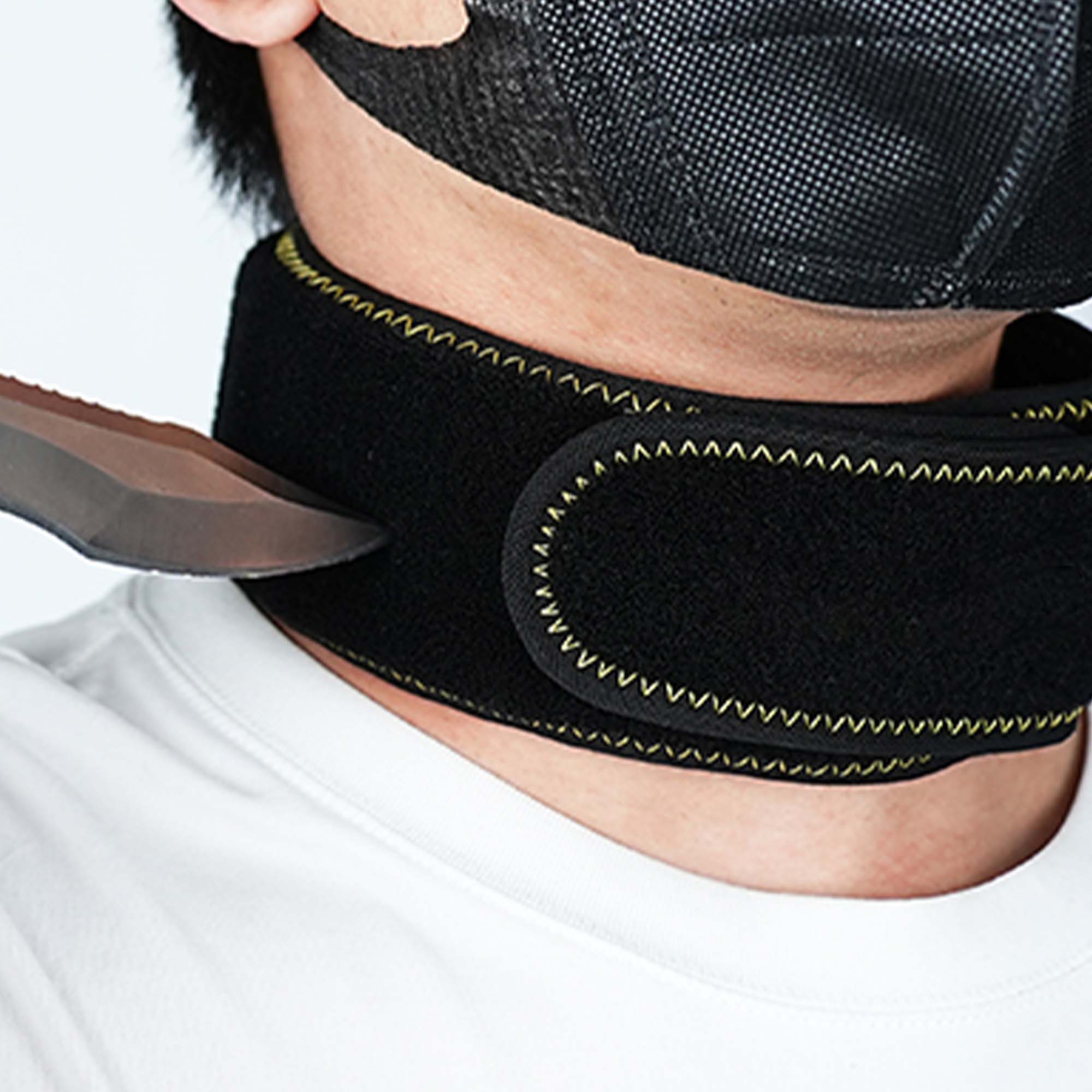
Stab Proof Neck Guard
Lightweight and flexible, this neck protector fits snugly and pairs with stab-resistant outerwear, effectively completing the protection for a “suit + shirt” combination.
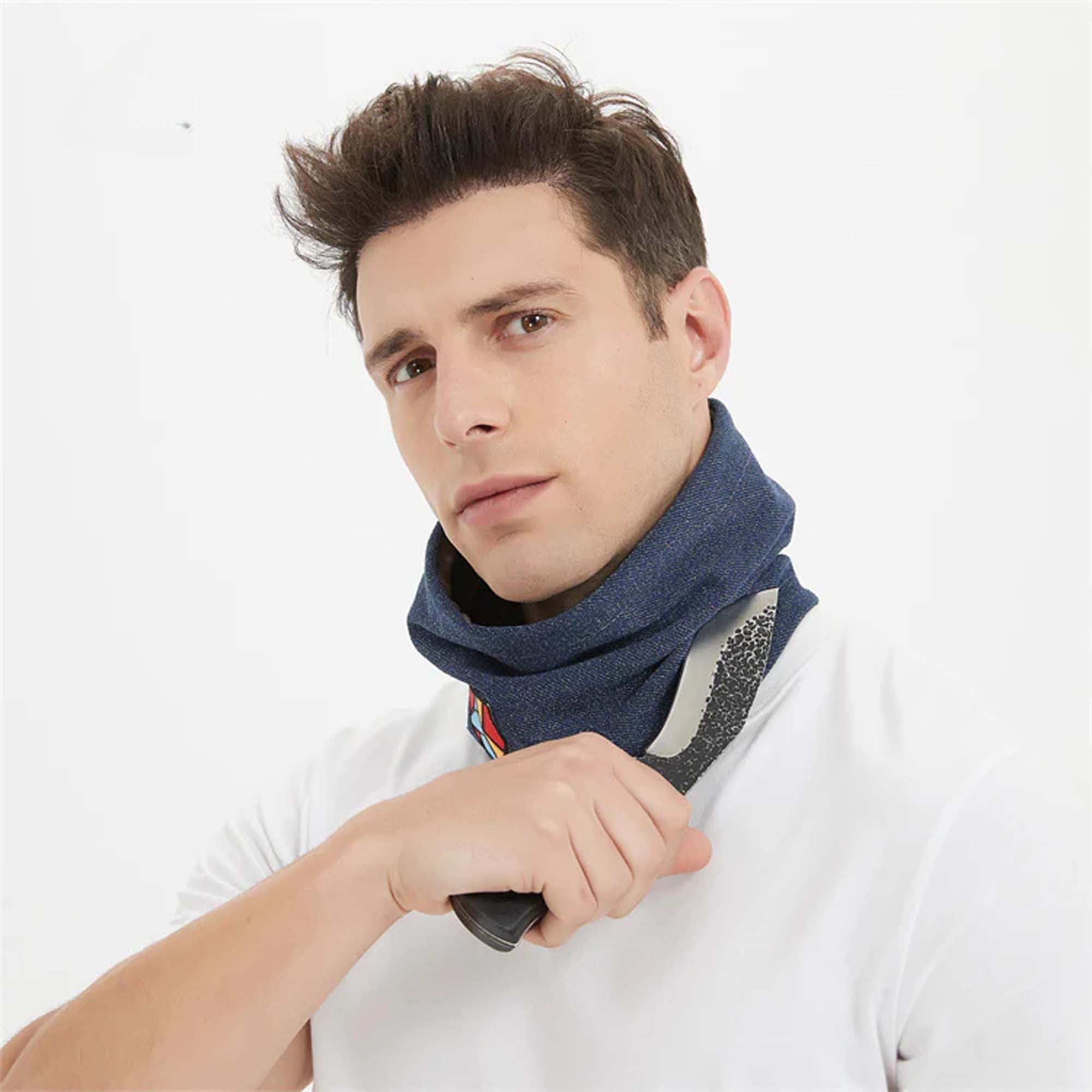
Level 5 Slash Proof Hat/Neck Guard
Looks like a regular hat or neck gaiter but lined with cut-resistant material, ideal for autumn and winter wear with hoodies or jackets, protecting the head and sides of the neck.
Three Typical High-Risk Scenarios: Ready-to-Use Safety Strategies
If you’ve encountered similar situations, use this as a reference to adjust your route and gear accordingly.
Scenario A
Commute after work through a “subway exit + bar street + open parking lot” sequence
Stick to busier main streets, avoiding narrow alleys; add 5 extra minutes if needed.
Keep your phone and wallet in inner or front concealed pockets; avoid using your phone while walking.
Clothing: Swap your regular business jacket for a Stab-Proof Business Jacket or wear an inner stab-proof vest.
- Recommended gear: Business Jacket / Inner Worn Vest + Neck Protection + Compact Flashlight
Scenario B
Returning home alone after weekend nightlife (old city district)
After drinking, opt for licensed taxis or ride-hailing services; avoid disputes with strangers on the street.
Casual attire can be upgraded to a Slash Proof Hooded Jacket with slash-resistant hat or neck guard.
Before exiting the vehicle, use a flashlight to quickly scan the surroundings and building entrances.
- Recommended Gear: Slash Proof Hoodie + Slash Proof Hat/Neck Guard + EDC37 Flashlight
Scenario C
Night shift at convenience stores / small bars / ride-hailing drivers
For fixed shifts, always wear an inner stab-proof vest under your T-shirt or uniform.
Maintain a safe distance between yourself and customers/clients to avoid sudden close contact.
Keep cash secured in a drawer or use a Fingerprint Lock to minimize visible cash exposure.
- Recommended Gear: Stab Proof Inner Worn Vest + Fingerprint Lock + Low-profile Jacket
How to integrate protective gear into your daily routine instead of letting it gather dust in the closet?
- Treat your stab-proof jacket or vest as your commute uniform: wear it whenever passing through high-risk areas, no need to decide daily.
- Neck protection can match the season: use a slash-proof hat or neck guard in fall/winter, and a lightweight neck guard in spring/summer.
- Use a fingerprint lock on frequently used backpacks, gym lockers, or temporary doors in rental spaces.
- Keep your EDC flashlight with your keys or waist bag so it’s always accessible, avoiding the “it’s in another bag when I need it” problem.
Common Misconceptions (Avoid Setting Yourself Up for Risk)
- “I’ve lived here for years, nothing will happen.” – Personal feelings of safety don’t equal actual risk. In high-crime areas, preparation should be based on probability, not perception.
- “I don’t cause trouble, so no one will bother me.” – Many robberies or assaults aren’t about provoking anyone; perpetrators target easy opportunities.
- “Won’t carrying protective gear make me look scared?” – True professionals prepare discreetly; it’s about safety, not bravado or image.
Build Your Personal “Urban Safety Network”
- Identify at least 1–2 people you can contact immediately in case of danger: friends, colleagues, or family.
- Arrange with neighbors or coworkers: if you haven’t returned home by a set time, they send a check-in message.
- Establish a “check-in habit” for regular routes, e.g., send a quick “arrived home” message to a group.
- If possible, add an extra lock or security device at home entrances to reduce the risk of unauthorized entry or tracking.
A gentle reminder for the bottom of the page
- The tips on this page aren’t meant to create fear—they’re here to give you a calm, actionable plan for staying safe in high-crime areas.
- If you’re preparing protective gear for your family, feel free to share this page with them and check off each point according to your routes and scenarios.
FAQs
Common Questions About Staying Safe in High-Risk Urban Areas
Do you really need to wear stab- or slash-resistant clothing every day if you live in a high-crime area?
You can decide based on your daily route and timing.
If you pass through high-risk areas every day, wearing protective clothing as your “commuting uniform” is the safer choice.
If you only pass those areas occasionally, wear your protective gear specifically on those days.
Aren’t stab-resistant garments too heavy or too hot for daily wear?
You can prioritize lightweight, metal-free options like the Business Jacket or Inner Worn Vest — they reduce weight and make it easy to pass through subway and train security checks.
If your country has legal restrictions on protective gear, what should you do?
Different countries and regions have varying regulations on protective clothing and tactical gear. Before purchasing or using any items mentioned on this page, please review the local laws and ensure that your use complies with all applicable regulations.